
Why Does the Brain Amplify Pain When We Feel Stressed?
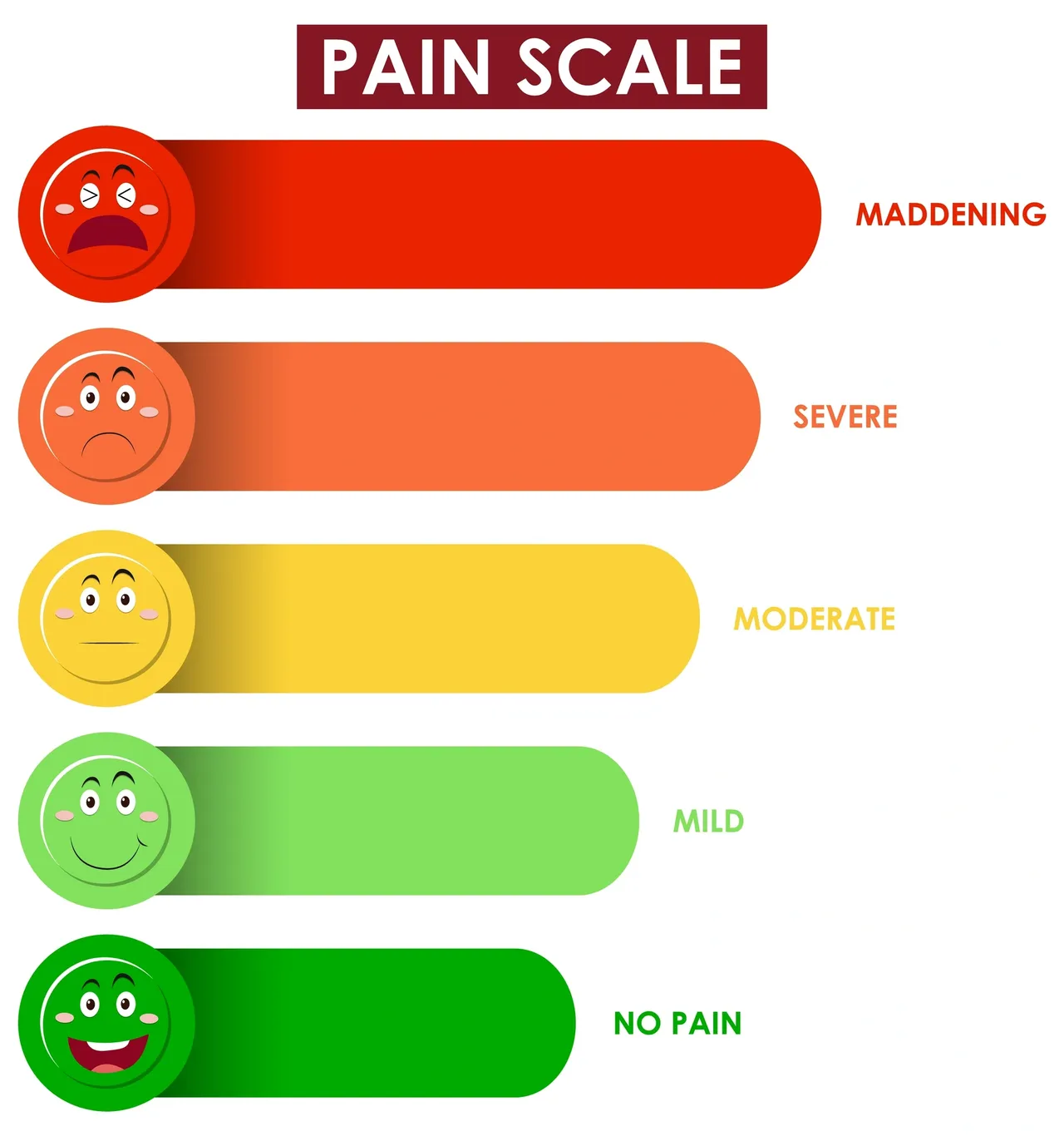
Many people notice that when life becomes overwhelming, their pain suddenly feels louder. Old symptoms flare up. Everyday discomfort becomes sharper and the body seems to “turn up the volume” at the worst possible moment.
This isn’t imagined and it isn’t a personal failing. It’s a deeply human, deeply biological response rooted in how the brain protects us.
For those of us living with chronic pain or conditions like IBS, hypothyroidism, or hashimotos, this amplification can feel especially intense. Fatigue, aching joints, abdominal pain, and the unpredictable rhythms of the digestive system can all become more pronounced when stress rises. I’ve experienced this myself when I’ve had a stressful week. It can make my whole system feel heavier and more reactive to pain.
Understanding why this happens brings relief. It helps us see that nothing is “wrong with us.” Our brain is responding to pressure in the way it was designed to.
The brain’s primary job is protection
The brain is always scanning for threat, not just physical danger, but emotional, social, and environmental stressors too. When it senses we’re under strain, it shifts into protection mode.
In this mode, the brain becomes more vigilant. It pays closer attention to anything that might signal risk, including pain.
For those of us with chronic conditions, the brain already has more sensory information to manage. When stress rises, the brain often decides:
“I need to pay more attention to this.”
And the way it pays attention is by amplifying the signal.
How stress changes the pain system
1. Stress hormones heighten sensitivity
Cortisol and adrenaline prepare the body for action, but they also make the nervous system more reactive. Muscles tense. Nerves fire more easily. Digestion becomes disrupted.
For IBS, this can mean more cramping, bloating, urgency, or discomfort.
For hypothyroidism or hashimotos, it can mean heavier fatigue, aching joints, and a sense of being “inflamed from the inside.”
Stress doesn’t create these symptoms, it simply magnifies them.
2. The brain’s filtering system becomes less effective
Under calm conditions, the brain filters out a huge amount of sensory information. But stress disrupts this filtering process. More signals get through.
This is why a mild digestive twinge can suddenly feel like a full flare up.
Or why joint aches feel sharper.
Or why fatigue feels like a weighted blanket you can’t lift.
The sensations aren’t new. The brain is just no longer turning the volume down.
3. Emotional load and physical pain share neural pathways
The same brain regions that process emotional distress also process physical pain. When emotional load increases, these areas become more active, and that activation spills over into the pain system.
This is why a stressful conversation, a difficult week, or a sense of overwhelm can make abdominal pain, joint aches, or fatigue feel more intense.
4. Stress reduces the brain’s natural pain relief chemistry
When we feel safe, connected, and supported, the brain releases soothing neurotransmitters like serotonin, dopamine, endorphins, and oxytocin.
These chemicals help to “buffer” pain.
Under stress, these levels can drop, and without them pain can feel louder and more magnified.
This isn’t your fault
If your IBS flares during stressful moments…
If your joints ache more when life feels heavy…
If your fatigue deepens when you’re overwhelmed…
You’re not failing. You’re not imagining it. You’re not “too sensitive.”
Your brain is doing exactly what it evolved to do: protect you.
How the 3 P’s help to turn the volume back down
This is where the 3 P’s (Positive actions, positive interactions, and positive thinking) become powerful tools, not in a forced or “fixing” way, but as gentle safety cues for the nervous system.
Positive actions
Small movements, warmth, nature, rest, hydration, or soothing routines help the body feel safer.
For IBS, this might be gentle walking or warmth on the abdomen.
For fatigue or joint pain, it might be slow stretching or pacing your energy.
These actions help restore serotonin and endorphins, which naturally soften pain.
Positive interactions
Connection, even brief, light, safe connection can boost oxytocin, which reduces pain sensitivity.
A kind message, a shared smile, a grounding conversation… these are not small things. They are biochemical shifts.
Positive thinking
Not forced positivity, but gentle, compassionate inner dialogue.
Thoughts that say:
“My body is doing its best.”
“This flare up makes sense.”
“I can support myself through this.”
These thoughts calm the threat system and help the brain feel safe enough to reduce amplification.
Together, the 3 P’s help the nervous system shift from protection to regulation. When the brain feels safer, pain naturally becomes less intense.
💛 A Final Thought
Living with chronic pain, IBS, hypothyroidism, or hashimotos means living with a body that is already working hard. Stress can make symptoms feel louder, but this isn’t a sign of weakness. It’s a sign of a sensitive, intelligent system trying to protect you.