
Neuroplasticity and lifelong changes in the brain
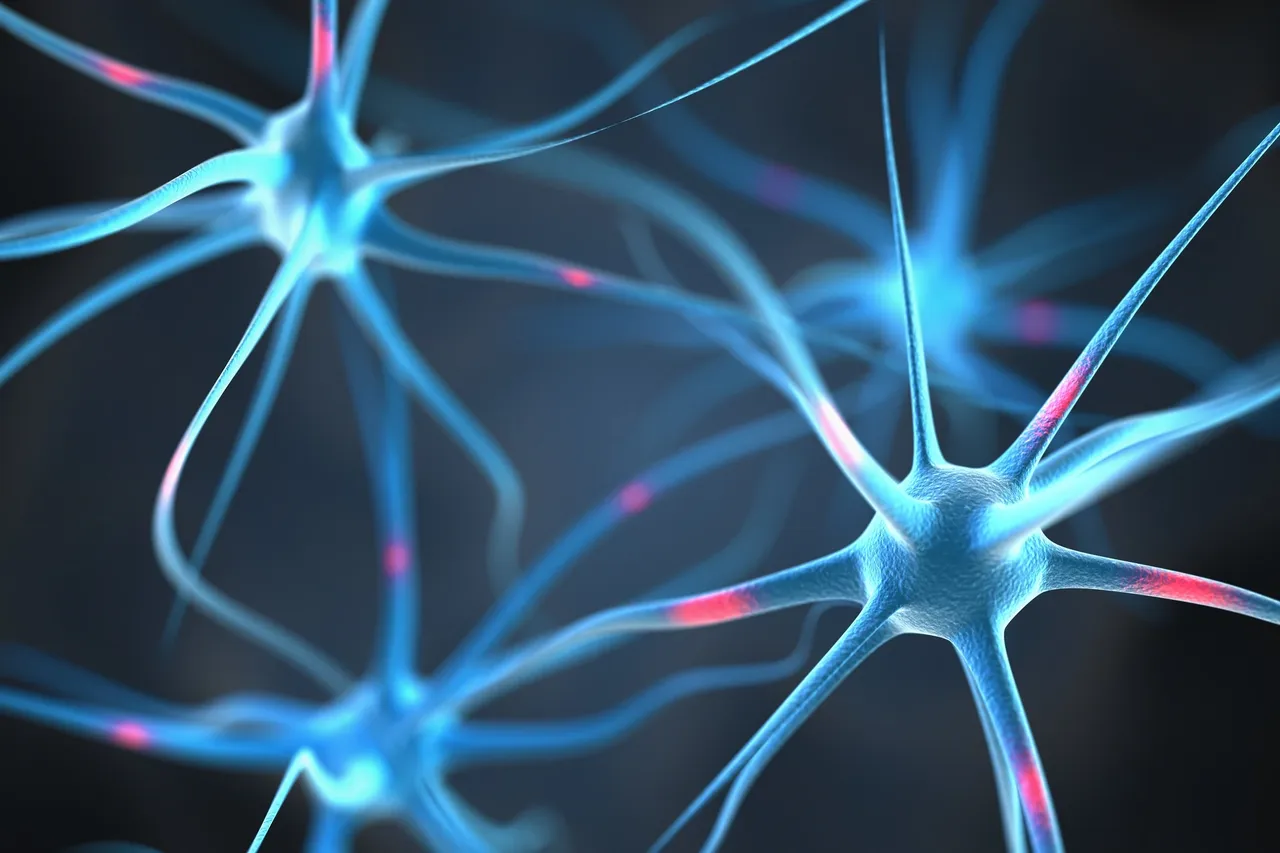
For many years, people believed the brain was fixed and that once we reached adulthood, our patterns, habits, and abilities were largely set. Modern neuroscience shows something far more empowering.
The brain is constantly reshaping itself.
It learns, adapts, and reorganises throughout our entire lives.
This remarkable ability is called neuroplasticity.
What Is Neuroplasticity?
Neuroplasticity is the brain’s capacity to form new neural connections and strengthen existing ones. These pathways become more established the more we use them, and they fade when they’re no longer needed.
You can imagine the brain as a landscape of pathways:
- Well-worn routes represent habits and automatic responses
- Faint trails are new skills or emerging patterns
- Brand-new paths appear as we learn, heal, and grow
The hopeful truth is that we can influence which pathways become stronger.
The Brain’s Ability to Change at Any Age
Neuroplasticity doesn’t switch off in adulthood. It continues throughout life, meaning:
- New skills can be learned at any age
- Emotional patterns can shift
- Old habits can be replaced with healthier ones
- Resilience and calm can be strengthened
Age may affect the speed of change, but not the possibility of it.
How Neuroplasticity Supports Emotional Wellbeing
When stress or worry becomes familiar, the brain strengthens those pathways simply through repetition. Therapeutic approaches like Solution Focused Hypnotherapy help the brain build new patterns linked to calm, clarity, and confidence by:
- Reducing the stress response
- Highlighting moments of success and safety
- Encouraging focus on preferred futures
- Reinforcing helpful habits and perspectives
Over time, these new pathways become the brain’s preferred routes.
Small Steps That Support Neuroplastic Change
Gentle, consistent actions are enough to reshape the brain:
- Noticing what went well today strengthens positive pathways
- Slow, steady breathing calms the nervous system
- Acts of self-kindness reinforce emotional safety
- Visualising a preferred future activates helpful neural circuits
- Repeating small, supportive habits builds long-term change
Neuroplasticity thrives on repetition and gentleness.
A Hopeful Reminder
If you’ve ever felt stuck or “wired this way,” neuroplasticity offers a different truth:
Your brain is adaptable.
Your patterns are not permanent.
And meaningful change is possible at every stage of life.